Chained Beasts Animal Types Guide: Master the Arena Fighters and Classes
Discover all about Chained Beasts animal types, fighter classes, and co-op combat mechanics in Featherweight Games' chaotic gladiator roguelike.
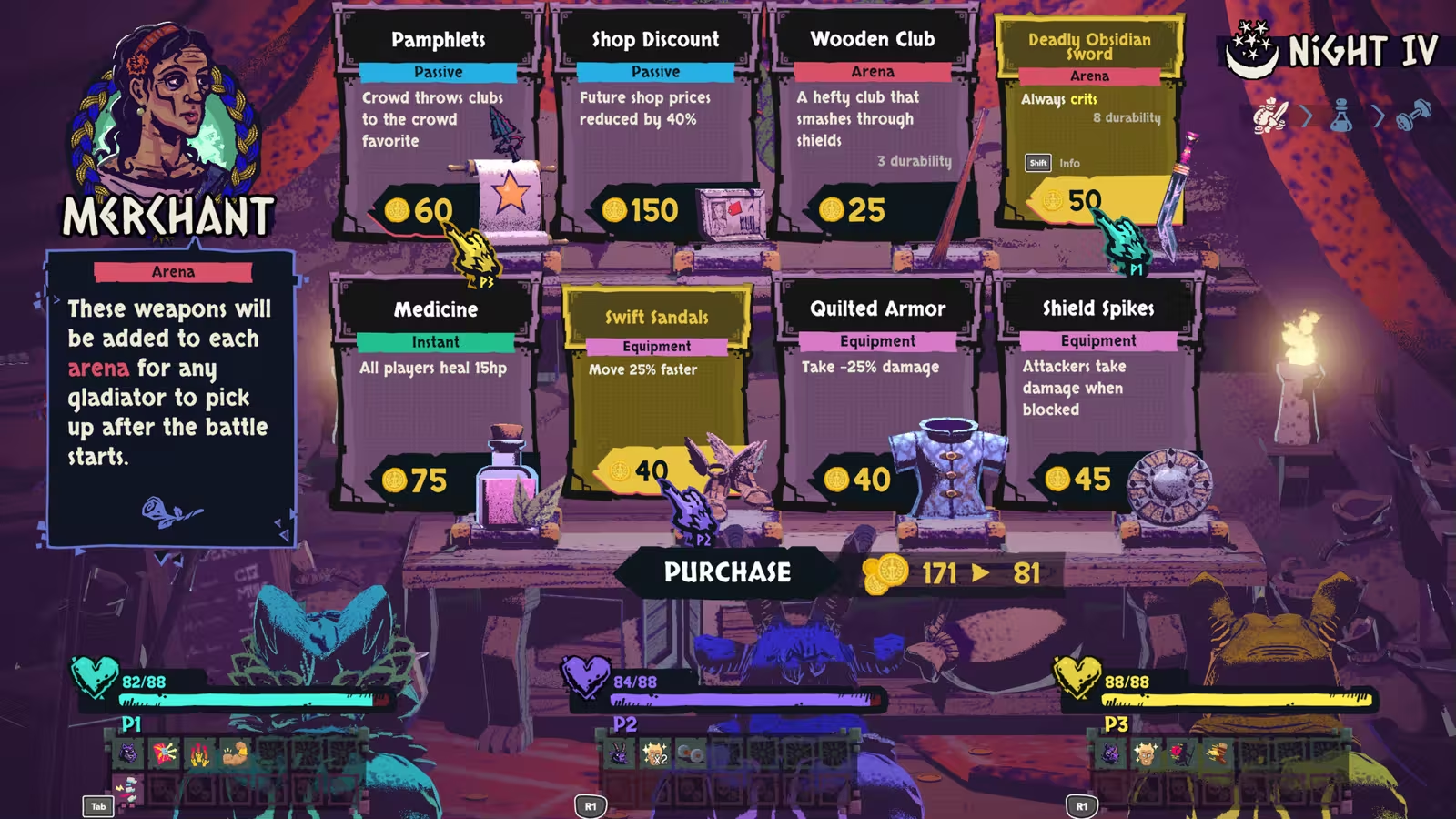
Step into the bloodthirsty Colosseum where cooperation is just as important as pure brute strength. If you are diving into Featherweight Games' cooperative gladiator roguelike, understanding the core roster of Chained Beasts animal types is crucial for survival. Choosing the right fighter affects your strategy, survivability, and how well you can coordinate when you and your friends are bound together by heavy iron links.
Understanding the Core Roster of Chained Beasts Animal Types
Survival in the arena requires more than just wild hacking and slashing; it demands a deep comprehension of the various Chained Beasts animal types available for your squad. Each combatant brings distinct traits, attributes, and tactical advantages to your group of four. Whether you prefer aggressive frontline brawlers or agile tricksters, knowing the roster helps your team dominate the arena floors.
Community reports and official developer breakdowns indicate that players can unlock a robust variety of fighters. The game features 8 unique baseline beasts alongside alternate variants boasting modified statistics, special abilities, and distinct cosmetic flair.
| Beast Category | Primary Role | Playstyle Focus | Difficulty Level |
|---|---|---|---|
| Frontline Brawlers | Tank / Crowd Control | Absorbing damage and knocking down foes | Beginner-Friendly |
| Agile Strikers | Speed / DPS | Fast positioning and weapon throwing | Intermediate |
| Tactical Skirmishers | Utility / Crowd Manipulation | Using environmental hazards and traps | Advanced |
| Support Hybrids | Buffing / Distraction | Managing chain tension and team healing | Expert |
When coordinating with up to four players—whether via online cross-play or local couch co-op—balancing these animal types prevents your team from tangling awkwardly around arena pillars.
Roster Overview: Unlocking Beasts and Variants
As you progress through the 9 grueling battles spanning 3 acts, your squad accumulates currency and experience. This progression allows you to expand your roster significantly.
According to player experience and early user data, the game features over 70 distinct skills and more than 40 items that synergize with specific animal traits. Below is a breakdown of how the unlockable roster structure functions during a campaign run.
| Unlock Tier | Requirement | Available Content | Strategic Value |
|---|---|---|---|
| Tier 1 (Starter) | Default Access | Base brawlers | Reliable baseline stats for early act survival |
| Tier 2 (Mid-Game) | Act II Progression | Specialized variants | Enhanced elemental or movement perks |
| Tier 3 (Endgame) | Act III / Boss Clears | Elite beast variants | High-risk, high-reward special abilities |
To learn more about the official release, check out the Chained Beasts on Steam Store Page to review current promotional bundles and community updates.
Managing the Chain: Teamwork Across Animal Classes
The defining gimmick of the game is that you are physically tethered to your allies. Different Chained Beasts animal types interact with this mechanic in unexpected ways. If a heavy tank animal type is paired with an agile striker, the tension on the chain can either trip incoming hordes of enemies or send your teammates flying into a pit of snakes.
Synchronization is the key to turning the tables on brutal arena bosses. If your group fails to coordinate, you will quickly find yourselves wrapped around architectural columns while hostile gladiators close in for the kill.
| Chain Dynamic | Potential Risk | Tactical Reward |
|---|---|---|
| Tug-of-War | Pulling teammates into hazards | Slinging allies across the map for heavy attacks |
| Pillar Tangling | Immobilization and vulnerability | Creating a fixed pivot point to trap charging foes |
| Synchronized Sprint | Stumbling and self-inflicted damage | Tripping enemy groups en masse for easy executions |
Surviving Afflictions and Upgrades
Choosing your animal type is only half the battle. As your roster endures rigorous combat trials, every healing phase introduces a risky risk-and-reward mechanic through physical and mental afflictions. With over 70 debilitating afflictions built into the game, your chosen animal type might experience anything from minor vision impairments to severe physical handicaps.
| Affliction Type | Gameplay Effect | Management Strategy |
|---|---|---|
| Near/Far-Sighted | Blurs vision at specific distances | Rely on vocal callouts from unhindered teammates |
| Butterfingers | Randomly drops equipped weapons | Keep spare armaments or environmental objects nearby |
| Annoying / Impulsive | Forces accidental attacks or shop purchases | Adapt your positioning and economy routing |
These mechanics ensure that mastering Chained Beasts animal types requires adapting to sudden disabilities while still maintaining optimal damage output against elite arena champions.
Frequently Asked Questions
What are Chained Beasts animal types?
Chained Beasts animal types refer to the diverse roster of unlockable characters and variants available in Featherweight Games' co-op gladiator roguelike. Each beast features unique stats, combat styles, and abilities tailored for 1-4 player cooperative play.
How many playable beasts can you unlock?
The game features 8 distinct base beasts alongside multiple variant versions that offer different statistics, special abilities, and cosmetic customization options as you progress through the campaign.
Can you play Chained Beasts solo?
Yes, the game fully supports single-player sessions, though playing with up to four friends online or via local couch co-op introduces the game's signature chaotic chain mechanics.
Do animal types affect multiplayer synergy?
Absolutely. Different animal types possess varying weight, speed, and attack styles, which directly influence how you interact with the physical chain tether connecting you and your squadmates.